Money: The Hidden Backbone of Civilization

Money seems simple: coins, bills, numbers in a bank account. But this simplicity is deceptive.
Money is an invention as profound as language. It enables strangers to cooperate at scale. Without it, we'd be limited to small tribes and barter. With it, we've built global civilizations.
But money isn't static. It evolves. From cowrie shells to cryptocurrencies, its forms reflect and shape societies. Today, we primarily use fiat currencies - money backed by government decree. This system, however, has deep-seated issues.
Fiat is prone to manipulation, inflation, and instability. Central banks can print at will, diluting value. Governments impose controls, restricting freedom. In the US, the dollar has lost over 96% of its purchasing power since 19131. In extreme cases, like Venezuela, hyperinflation has wiped out savings overnight2. These aren't bugs; they're features of state-controlled money.
The solution isn't tweaking the system. It's reimagining it. We need alternatives to fiat. Currencies free from state control, subject to market forces. Uncensorable and internet-native. This isn't just an economic argument - it's about the future of human cooperation.
To understand where money is going, we need to understand where it's been. It's the story of how we've organized society for thousands of years - and how we might reshape it.
Let's trace that story.
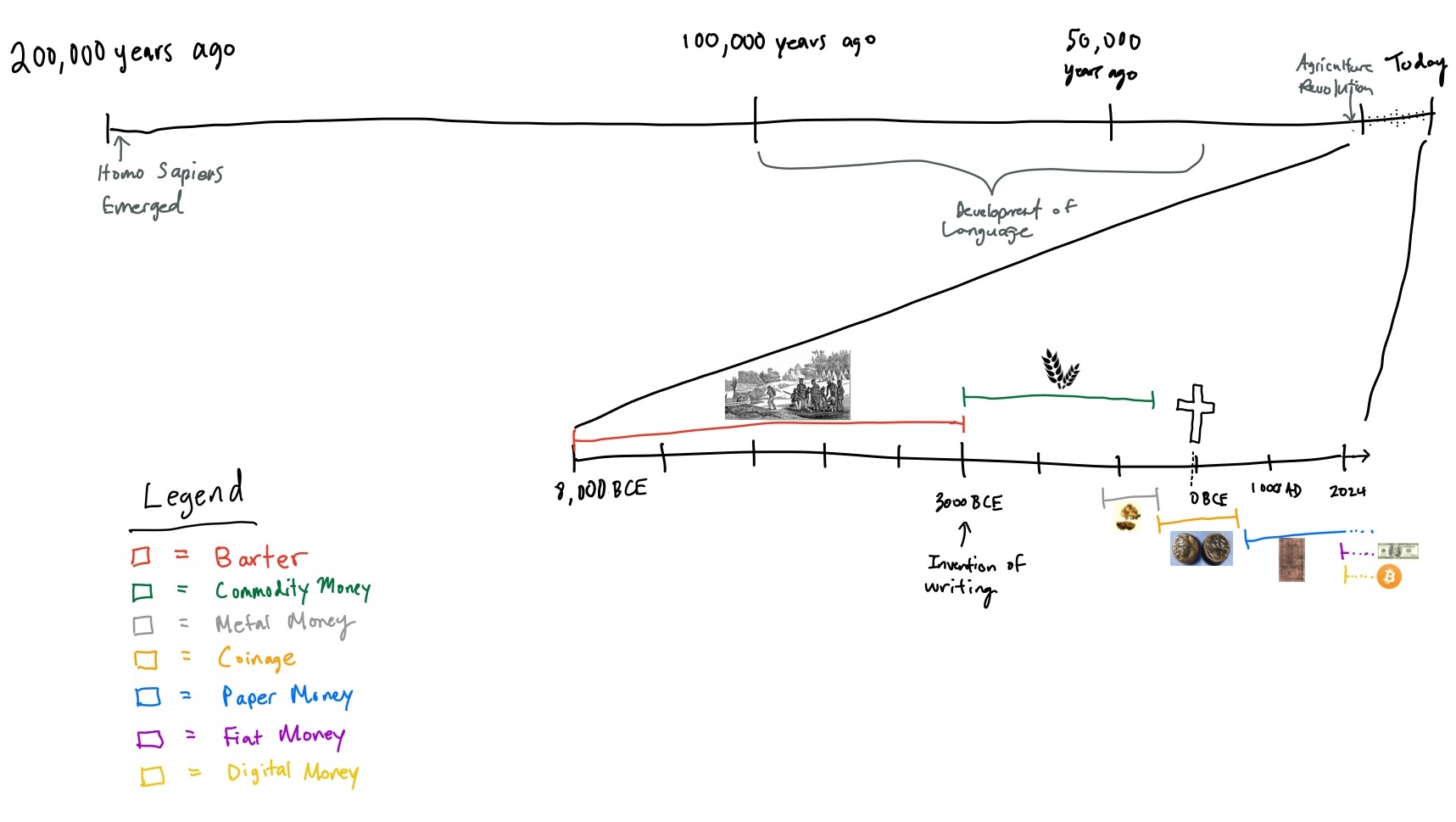
The Accidental Invention
Money wasn't invented. It was discovered, like fire or the wheel. Early humans didn't wake up one day and decide to create a complex financial system. They were just trying to solve a simple problem: how do I trade my extra fish for some berries when the berry guy doesn't want fish?

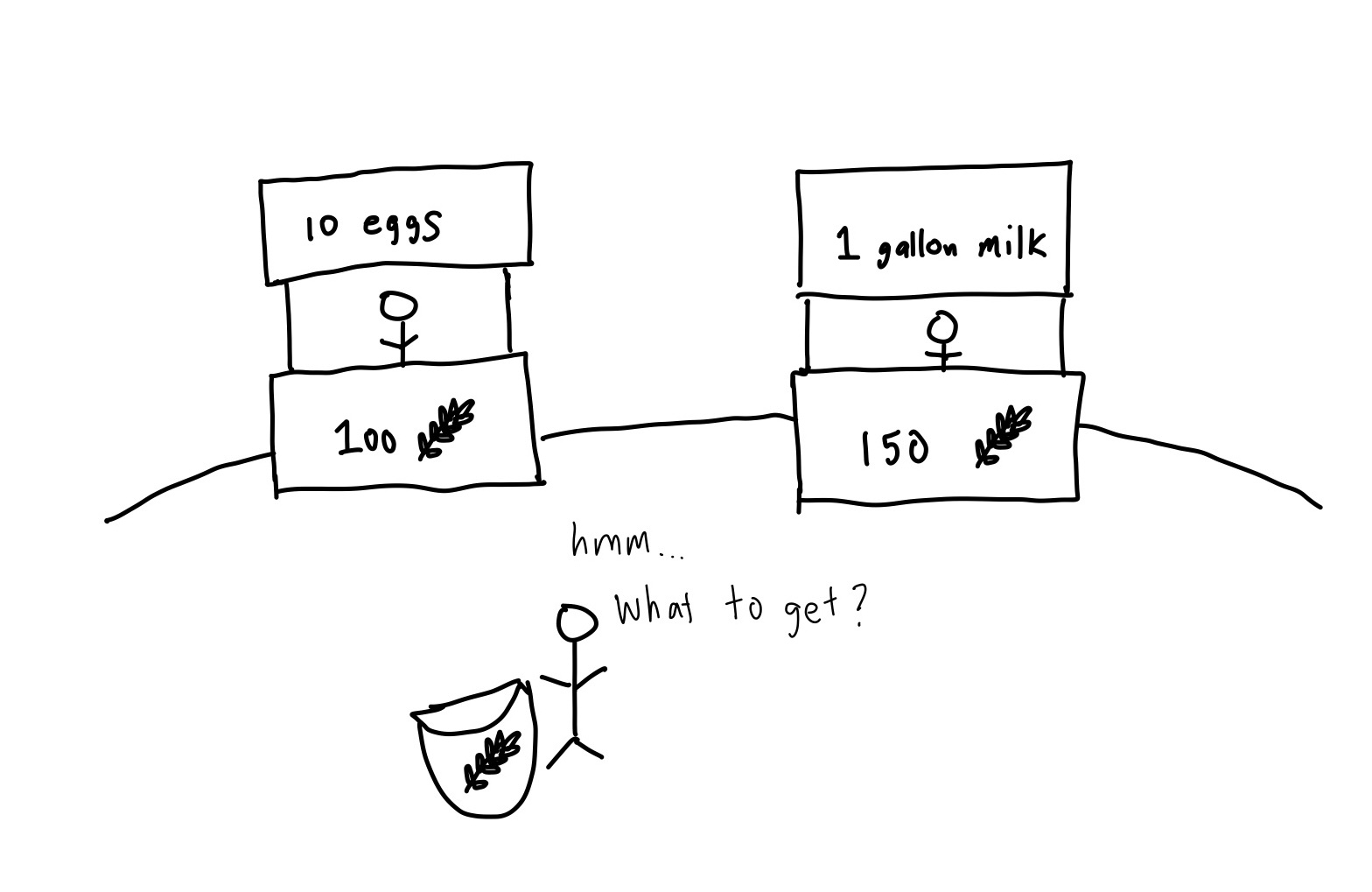
This is the "double coincidence of wants" problem. It's a mouthful but it just means that barter is really inefficient. Imagine if you had to find someone who wanted exactly what you were selling, and as selling exactly what you wanted, every time you needed to buy something. You'd spend all day trading and no time actually doing anything useful.
So people started using intermediate goods. Shells3, salt4, grain5 - anything that was relatively scarce and widely accepted. This was the birth of commodity money and it changed everything. Suddenly you could trade with anyone, anytime. Civilization exploded.
| Form of Money | Pros | Cons |
|---|---|---|
| Seashells | Lightweight and durable | Limited to coastal areas, potential for duplication with similar shells |
| Salt | Essential for diet and food preservation | Bulky and susceptible to environmental degradation (e.g., humidity) |
| Grain | Fundamental for sustenance, storable | Susceptible to spoilage and requires significant space for storage |
| Metal | Universally valued, highly durable | Heavy and costly to mine and refine |
But shells were too common, salt was hard to store and grain spoiled. You'd want something that doesn't rot, is easy to carry, and isn't as common as dirt. Metals fit the bill perfectly.
Gold and silver were the superstars of metal money. They were rare, pretty, and hard to fake. But here's the weird part, they weren't actually useful for much. Early humans couldn't eat gold or build houses with it. Yet it became incredibly valuable.
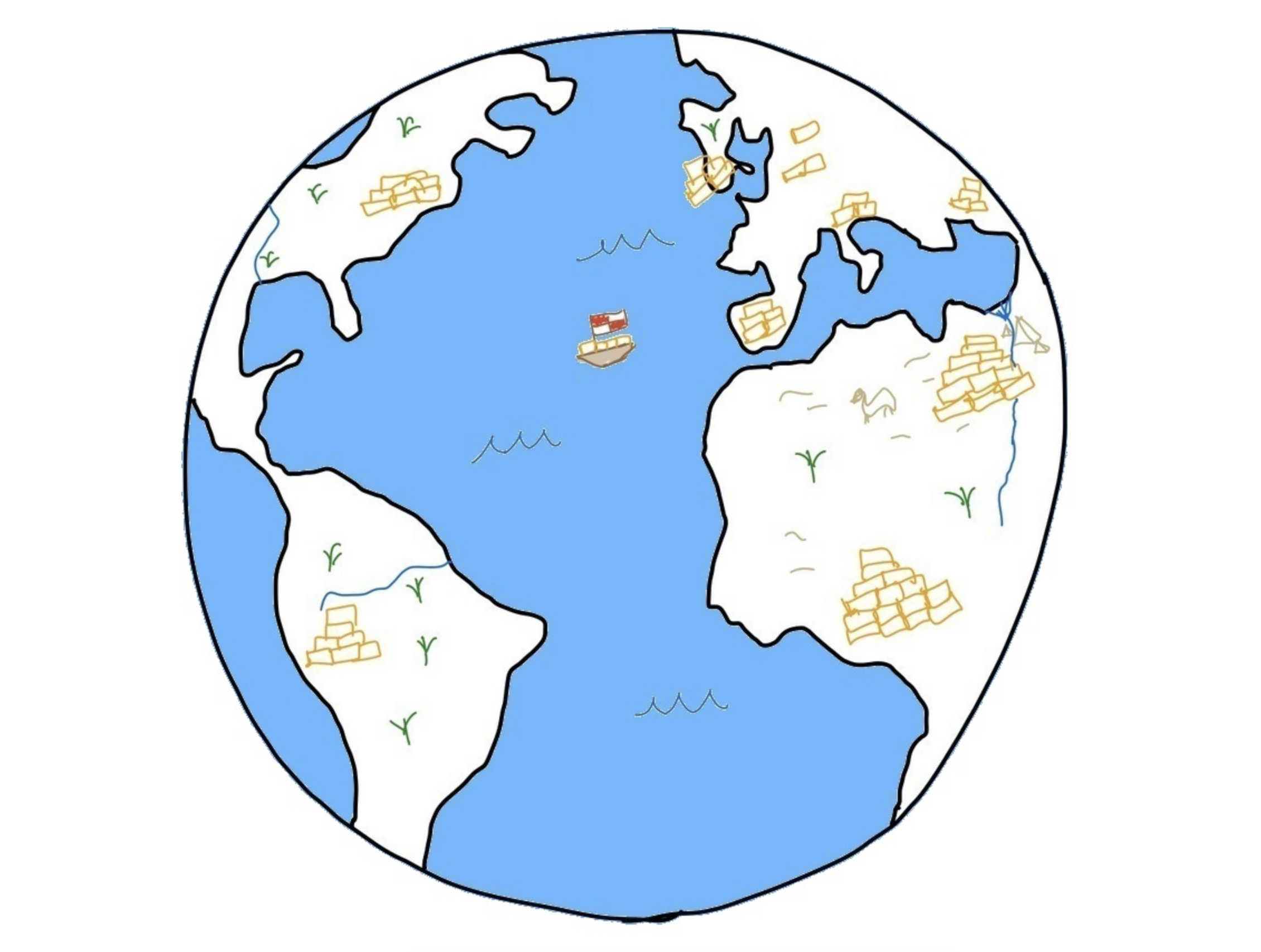
Metal coins were a huge leap forward. But they had problems too. Try carrying enough gold to buy a house.
This issue came to a head in 11th century China. The Song Dynasty was booming, but they were running out of copper for coins. Their solution? Paper money. They called it "Jiaozi" (交子).
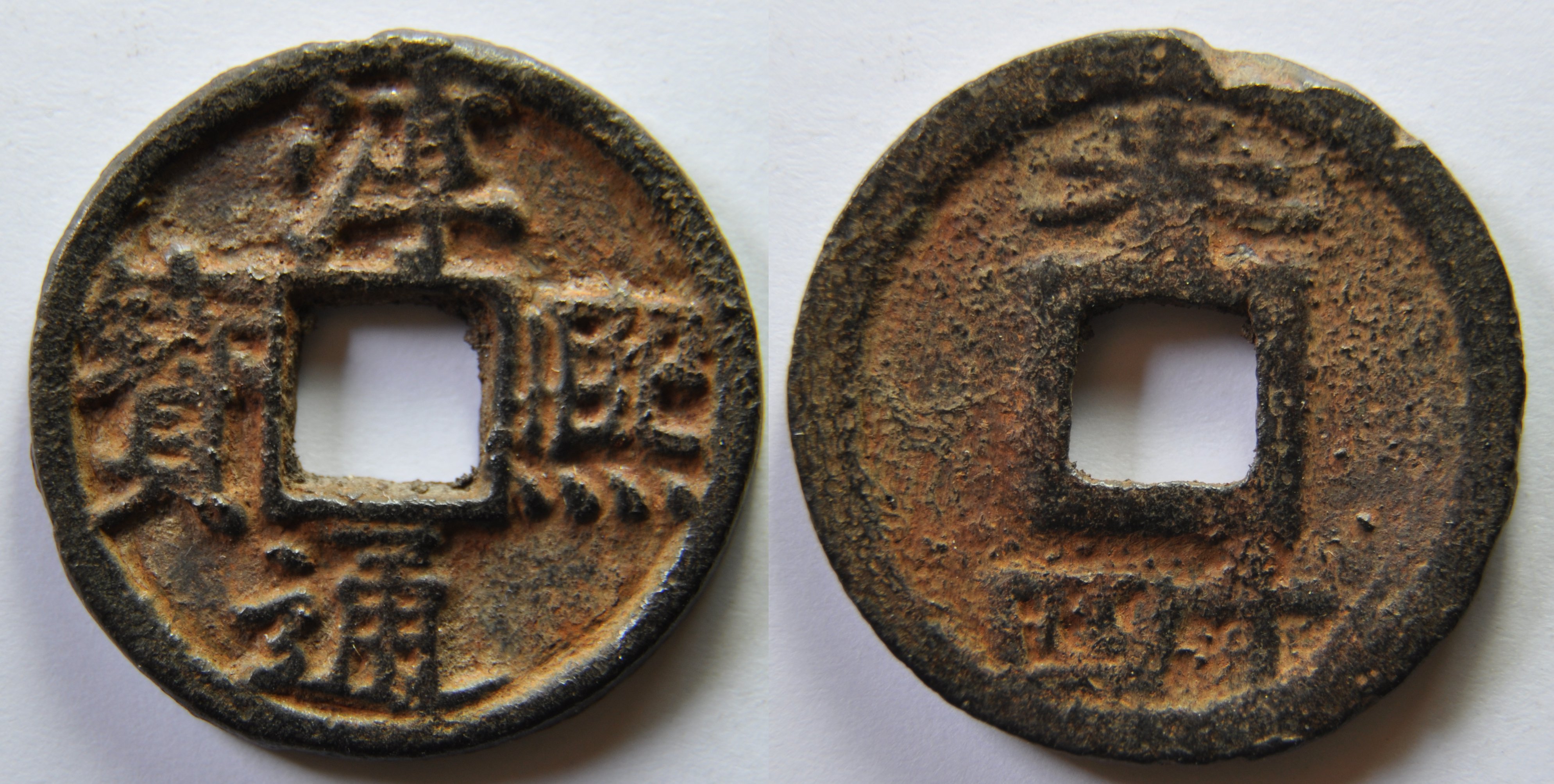
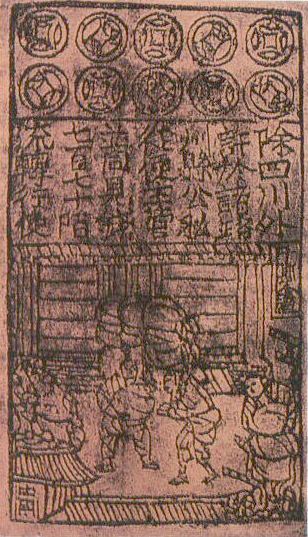
Jiaozi became the defacto way to finance everything, from war (shocker, I know) against the Jin Dynasty7, general commerce, and savings.
This shift from metal to paper wasn't just a change in material. It was a change in thinking. Money was becoming more abstract. More about trust and less about inherent value.
Even though Jiaozi were redeemable for the underlying copper, most people did not redeem them because it was more convenient to use the paper money for transactions. Over time, due to budget deficits, greed and war, the Song Dynasty debased their paper money, resulting in only 20% of all Jiaozi being backed by copper8. This contributed to financial instability and eventually the fall of the Song Dynasty.
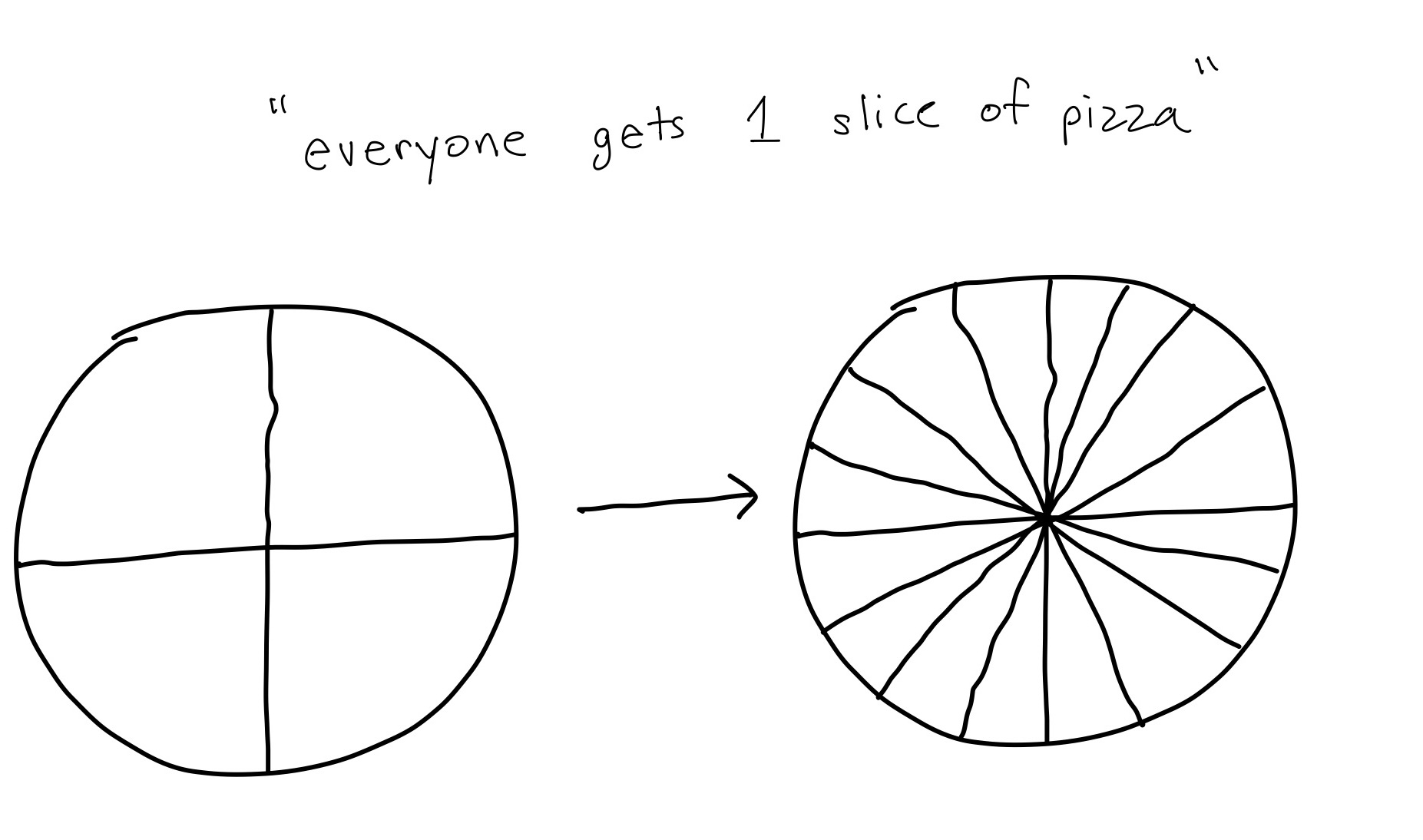
In the 17th century, European countries like Sweden and England caught on to the paper money idea. By the 19th and early 20th centuries, much of the world's wealth was stored as paper money, backed by gold and silver. This worked for a while. But then came the Great Depression in the 1930s. Suddenly everyone wanted their gold back. It was like a massive bank run, but for an entire country, and subsequently, the world.
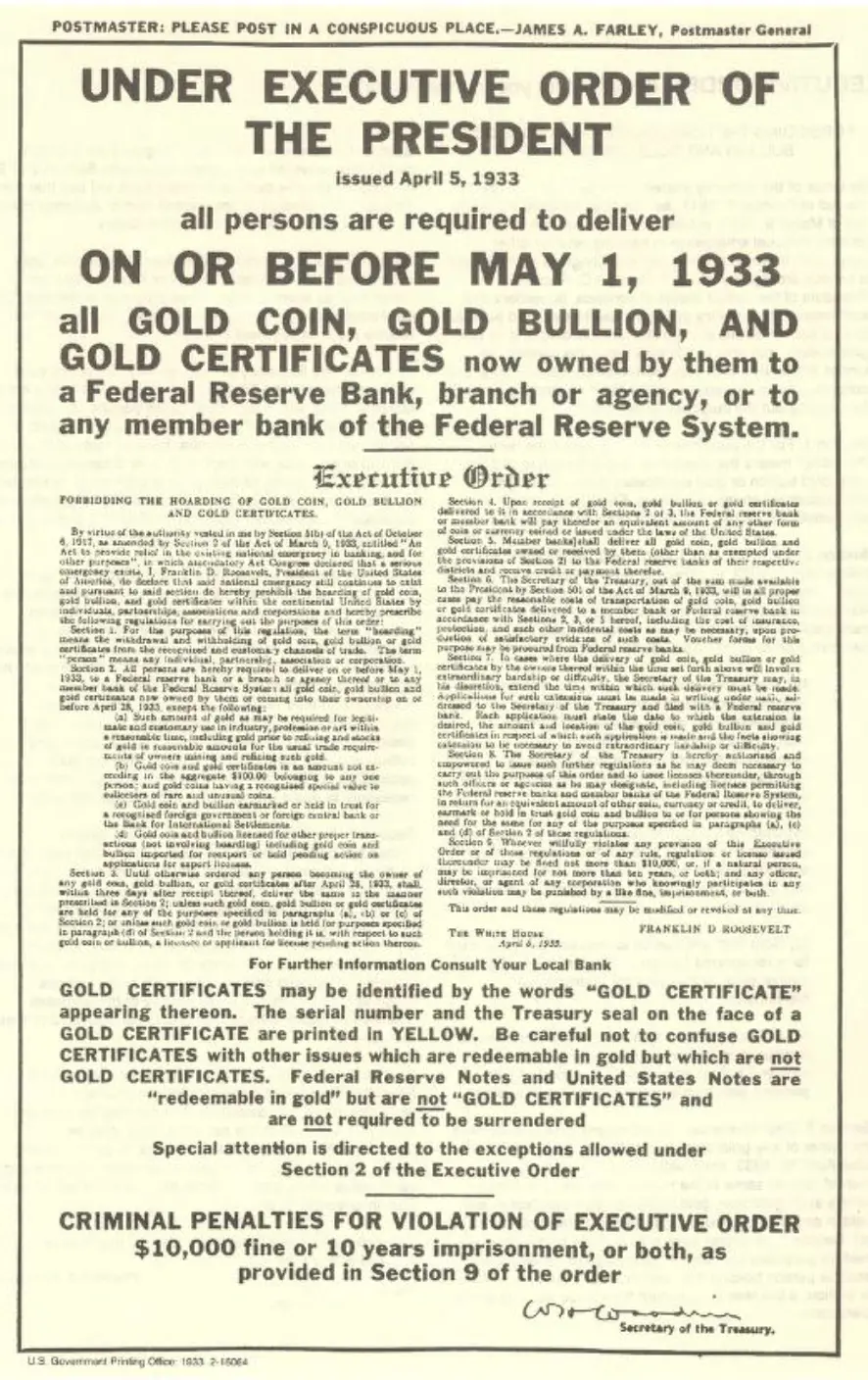
The gold standard limited monetary policy flexibility. In 1933, FDR, in a move that would make any libertarian's head explode, banned private gold ownership and confiscated gold in order to increase the money supply.
After World War II, the world decided to play a new game called Bretton Woods. The rules were simple: the U.S. dollar is as good as gold, and you can trade your dollars for gold anytime. The exchange rate? $35 per ounce. It was like a global pawn shop, with America as the pawnbroker.
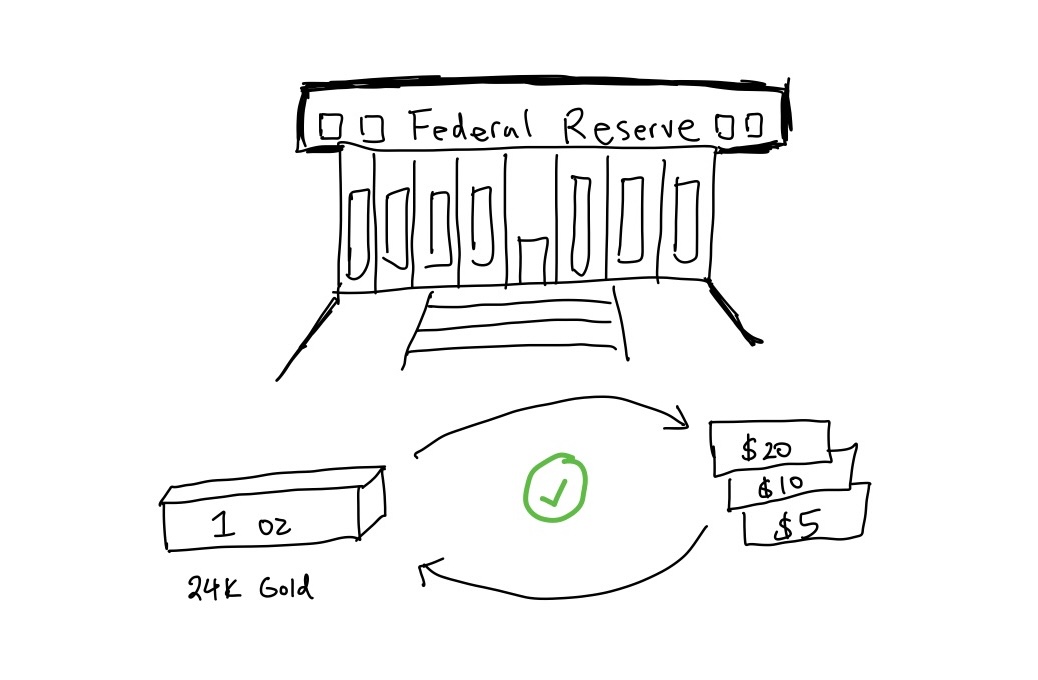
This agreement marked the beginning of the transition away from the gold standard, as it limited gold redemption to foreign governments and central banks, eventually leading to the complete weaning off the gold standard in 1971.
Just like the Song Dynasty, the U.S. started spending like a sailor on shore leave. Vietnam War, Great Society programs - the dollar printing presses were working overtime.
By 1966, foreign banks held more dollars than the U.S. had gold. It was like writing checks your gold vault couldn't cash.
"In 1966, foreign central banks and governments held over 14 billion U.S. dollars. The United States had $13.2 billion in gold reserves, but only $3.2 billion of that was available to cover foreign dollar holdings. The rest was needed to cover domestic holdings" 9
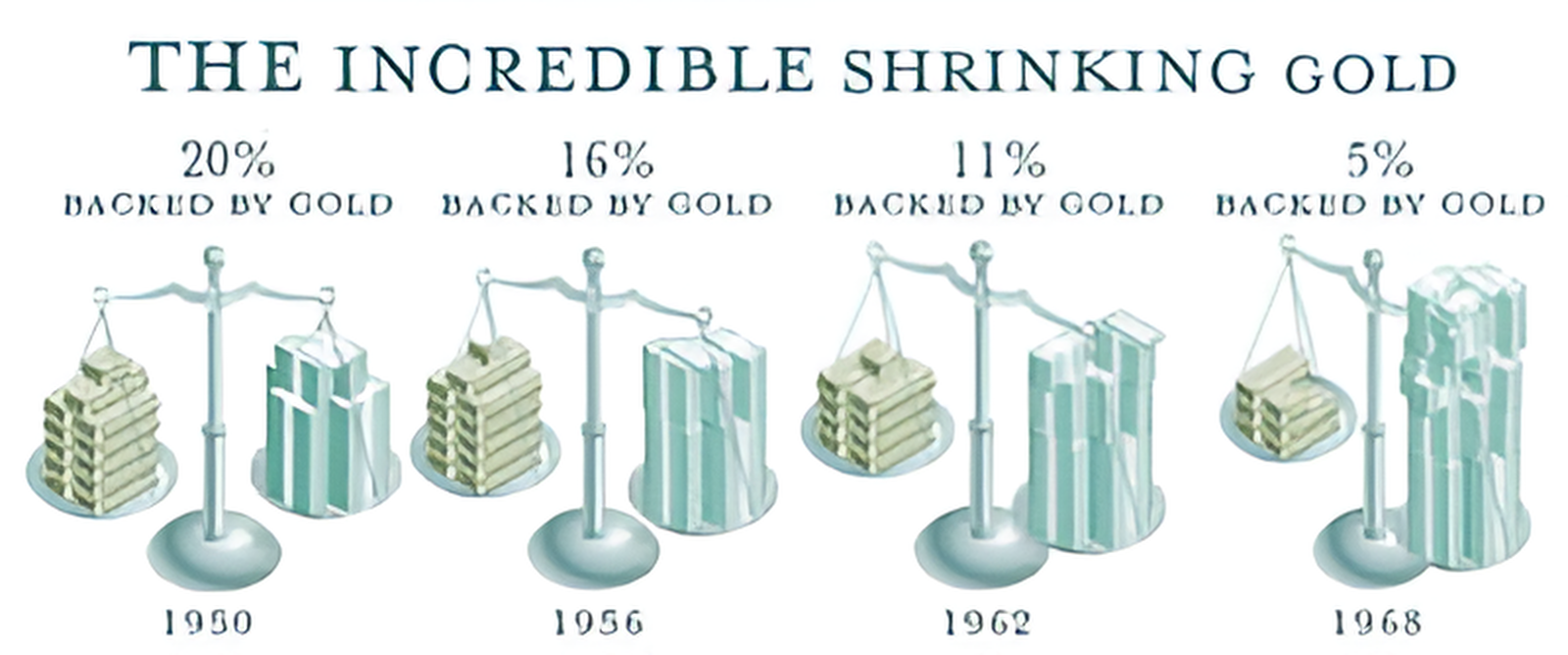
In 1971, Nixon looked at the numbers and basically said, "We're out of gold, folks. But don't worry, the dollar is still good. Trust us." And just like that, the last link between money and anything tangible was severed.
Fiat Money Performance
"Fiat money (noun) /ˈfiːæt ˈmʌni/: money that a government has declared to be legal tender, although it has no intrinsic value and is not backed by reserves" ~Oxford Dictionary
So how well has fiat money worked since 1971? Let's look at the data.
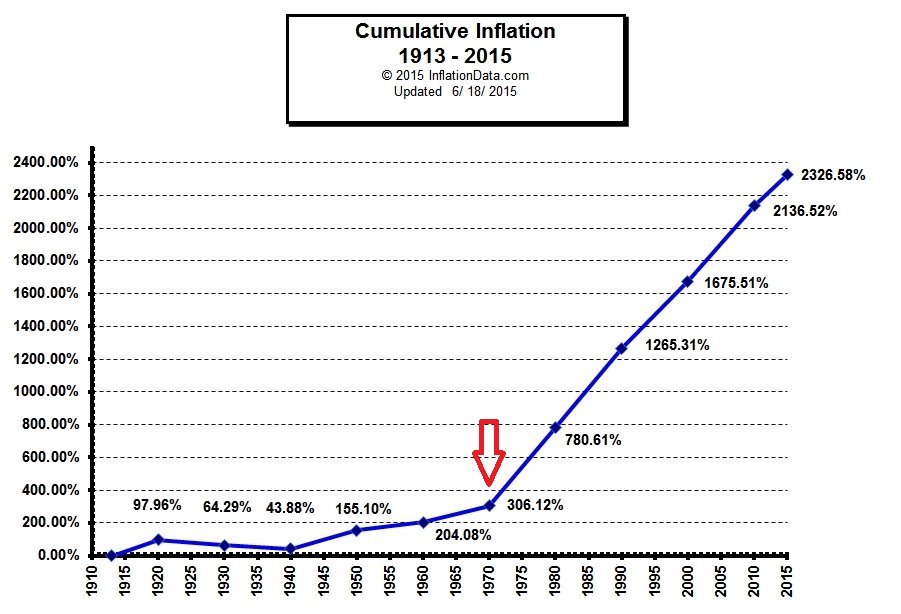
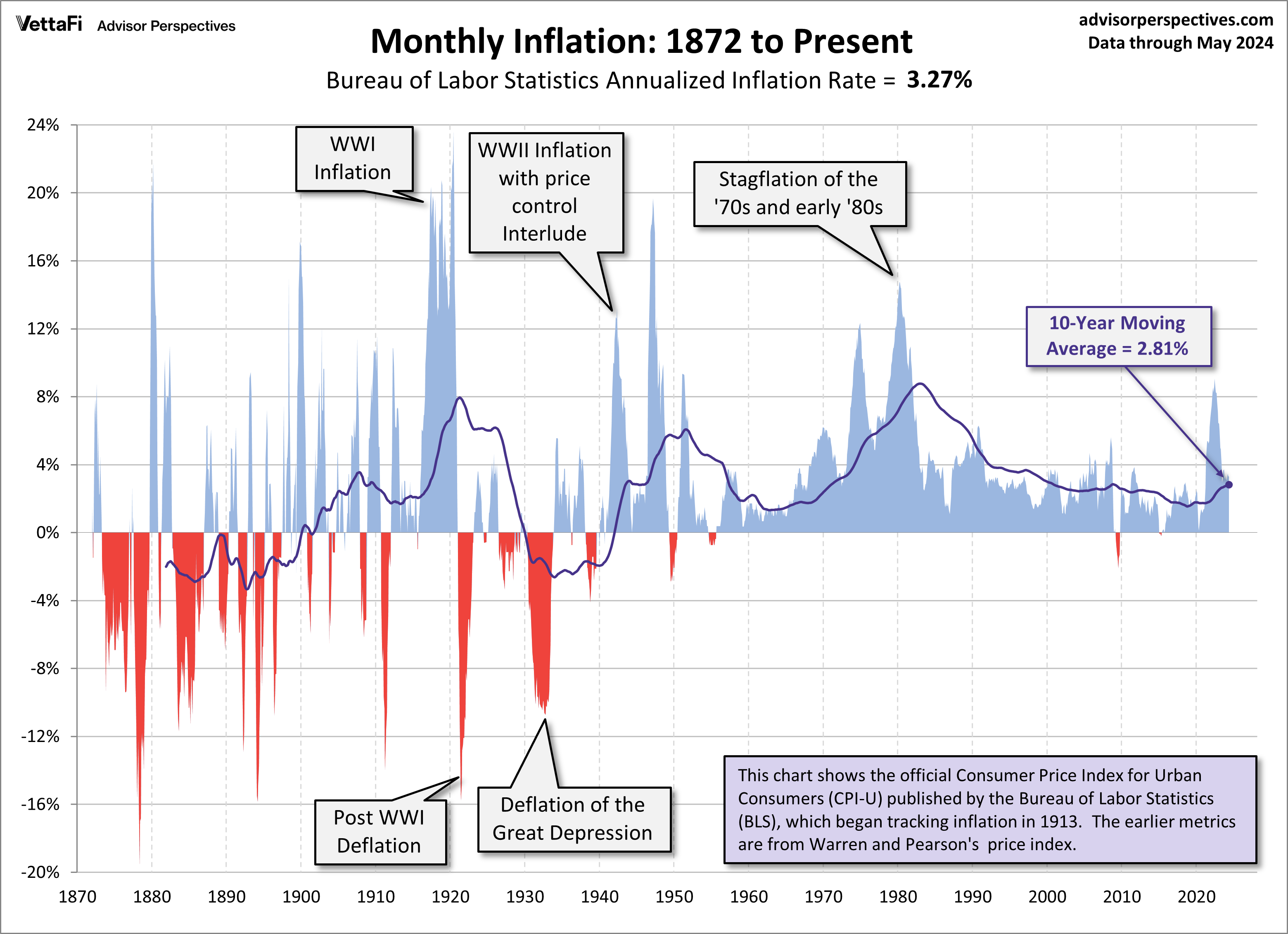
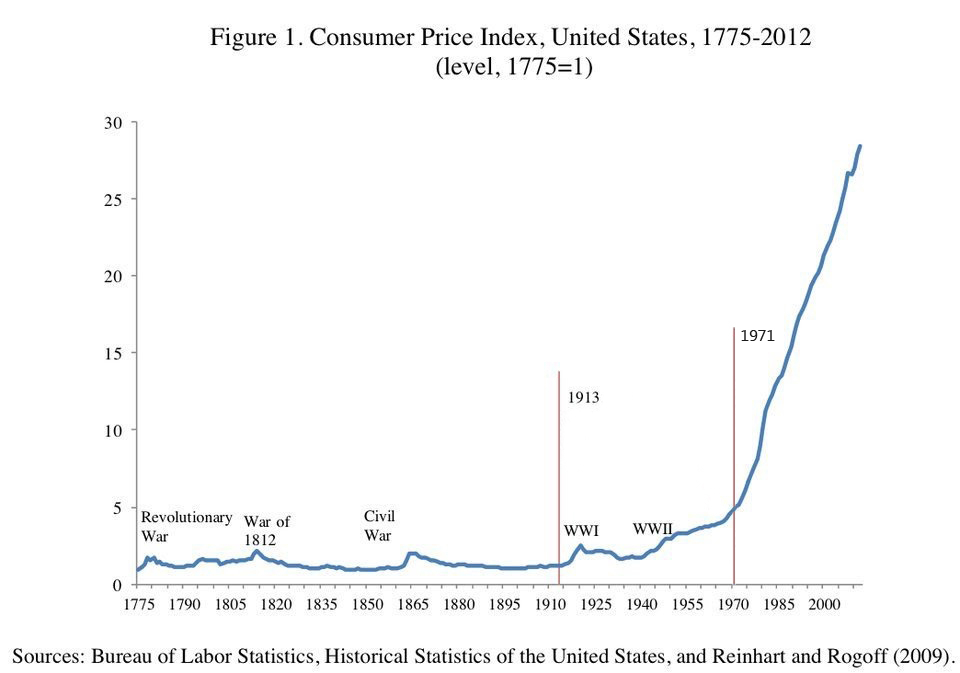
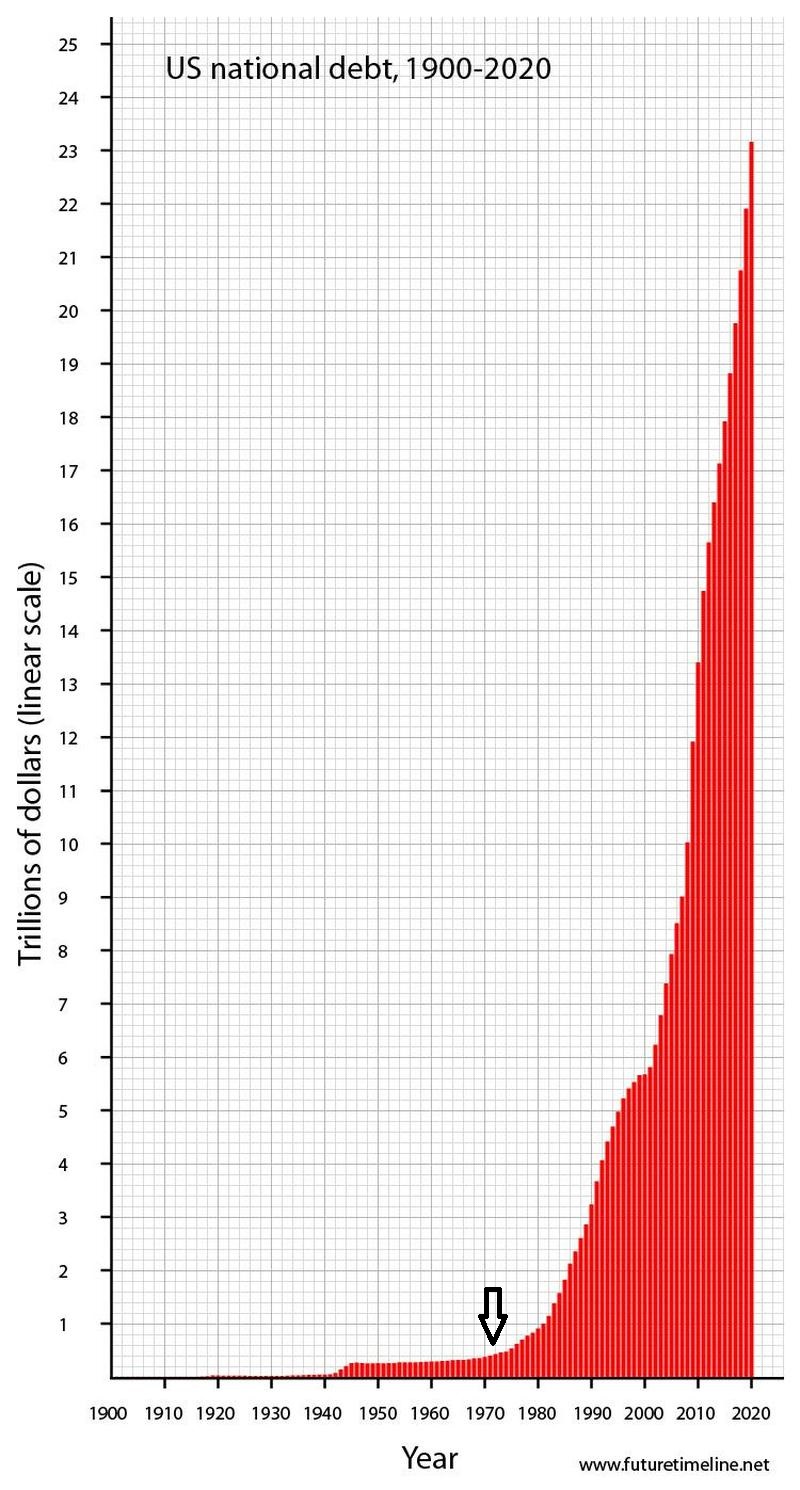
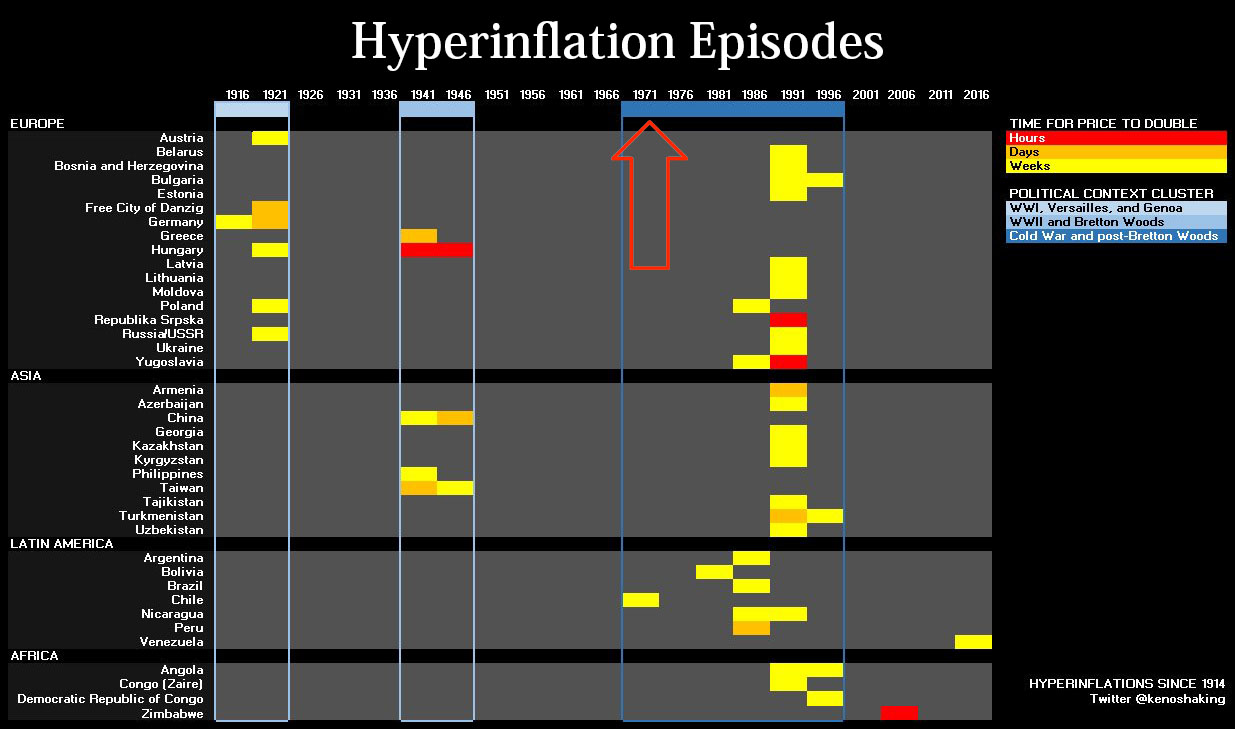
Fiat money has fundamentally altered our economic landscape. Since 1971, we've seen persistent inflation with fewer deflationary periods. This shift wasn't arbitrary - it was impossible under the gold standard, which tethered the money supply to a finite resource.
Inflation isn't inherently problematic. It's a tool, like any other in economics. Excessive inflation erodes purchasing power and can spiral into hyperinflation. Conversely, deflation can trigger a contraction in spending, potentially leading to economic stagnation.
The Great Depression illustrates this danger. As prices fell, consumers delayed purchases, expecting further price drops. This created a feedback loop of reduced spending and falling prices, exacerbating the economic downturn.
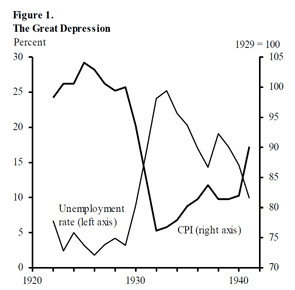
Recovery came through expansionary monetary policy - lower interest rates and an increased money supply. This approach demonstrates both the power and the responsibility that comes with fiat currency.
The key is balance. Fiat money gives central banks more control, but it also demands more nuanced management. The challenge lies in maintaining stable prices and economic growth without succumbing to the temptations of excessive money creation.
Gold Standard Money Pro / Cons
| Aspect | Pros | Cons |
|---|---|---|
| Economic Stability | Provides long-term price stability | Limits government response to economic crises |
| Inflation Control | Reduces risk of hyperinflation due to fixed money supply | Can cause deflation if gold supply doesn't match economic growth |
| Credibility | Enhances confidence in currency with tangible backing | Limited flexibility in monetary policy, making it hard to address short-term fluctuations |
Fiat Money Pro / Cons
| Aspect | Pros | Cons |
|---|---|---|
| Economic Flexibility | Enables control of money supply for stability and growth | Can cause inflation if not managed properly |
| Monetary Policy | Allows dynamic policies like interest rate adjustments and quantitative easing | Can mask underlying economic issues, delaying necessary reforms |
| Cost-Efficiency | Cheaper to produce and maintain than commodity-based money | Excessive printing can devalue currency, leading to crises |
The Federal Reserve's Dual Mandate
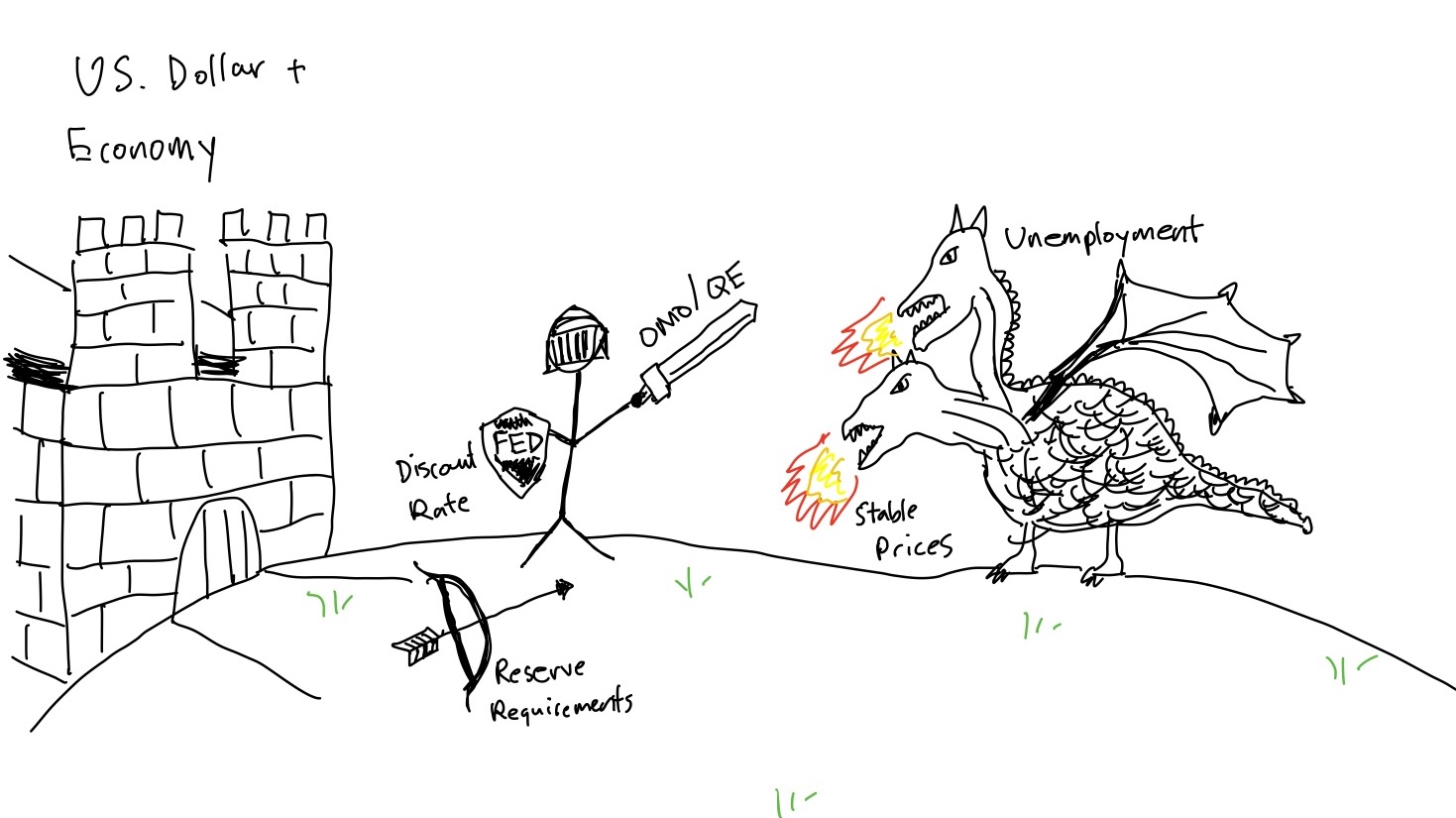
The Federal Reserve operates under a dual mandate:
- maximize employment
- maintain price stability
This seemingly simple directive belies the complex economic balancing act it requires.
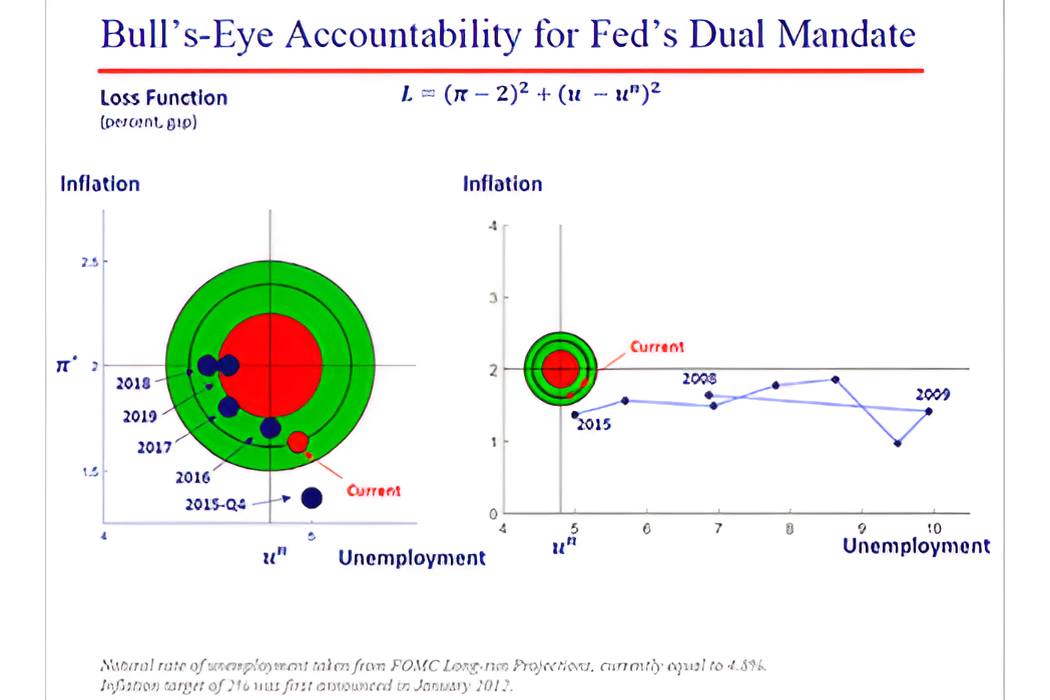
To achieve these goals, the Fed employs four primary tools:
- Open Market Operations (OMO)
- Discount Rate adjustments
- Reserve Requirements
- Quantitative Easing (QE)
These tools allow the Fed to influence the money supply and interest rates, thereby affecting economic conditions. The most frequently used tool, OMO, involves buying or selling government securities to expand or contract the money supply.
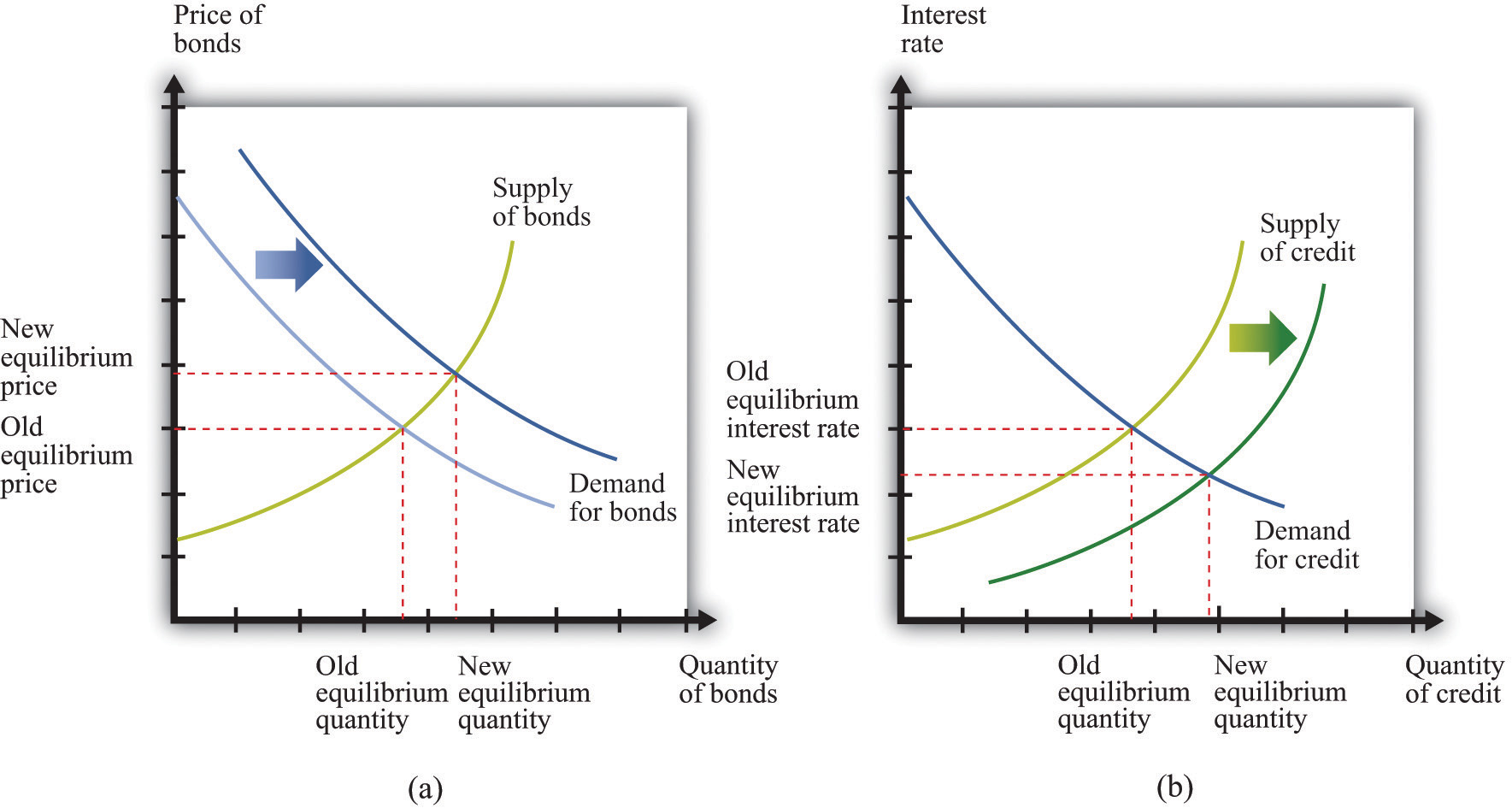
When the Federal Reserve conducts an expansionary open-market operation, it purchases bonds (a) or, equivalently, supplies more credit (b). The price of bonds increases, or, equivalently, the interest rate decreases19
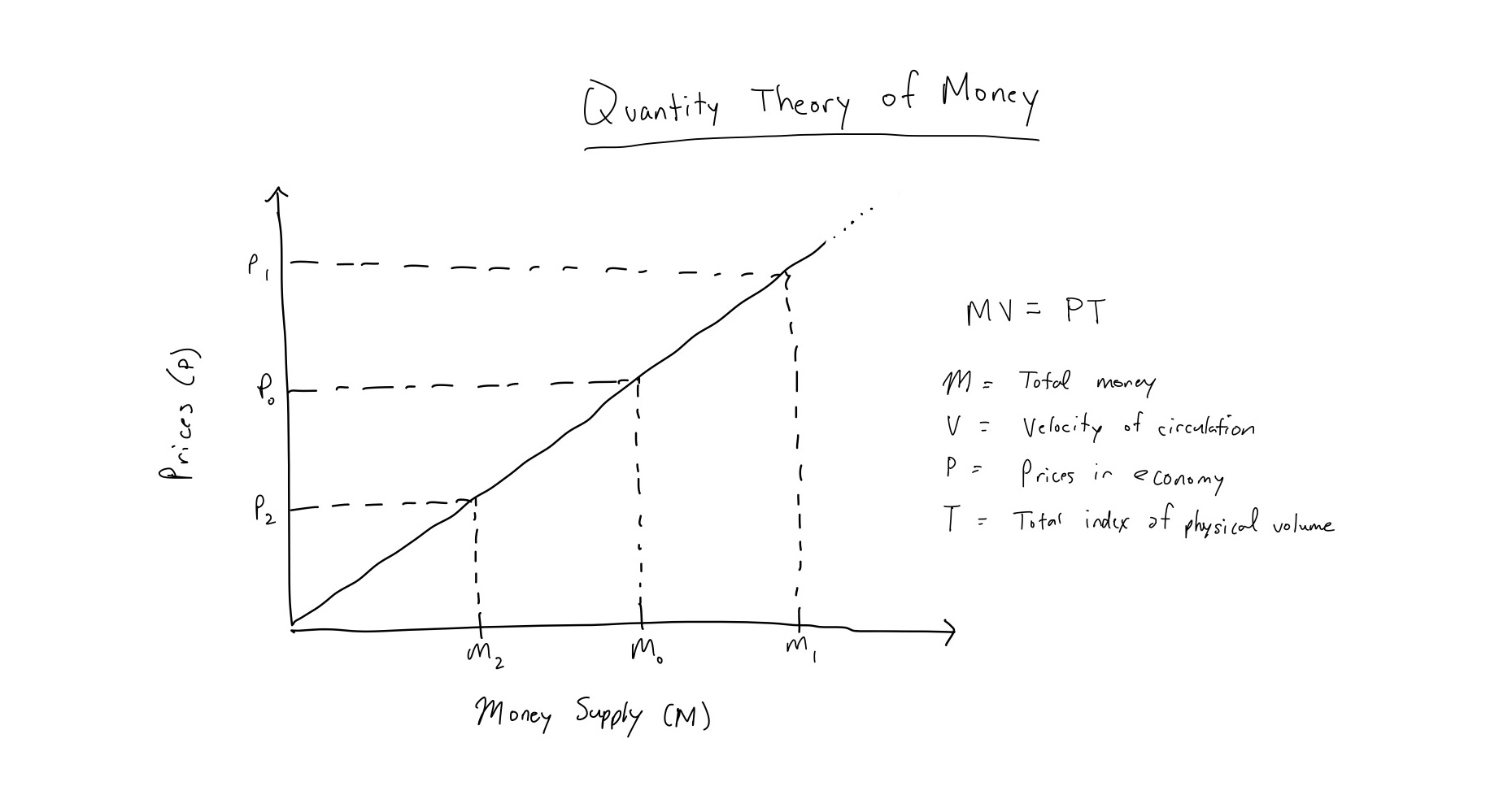
The Quantity Theory of Money underpins much of the Fed's strategy. It posits that money supply should grow in tandem with GDP to maintain price stability. This theory explains why the Fed often increases money supply during periods of economic growth.
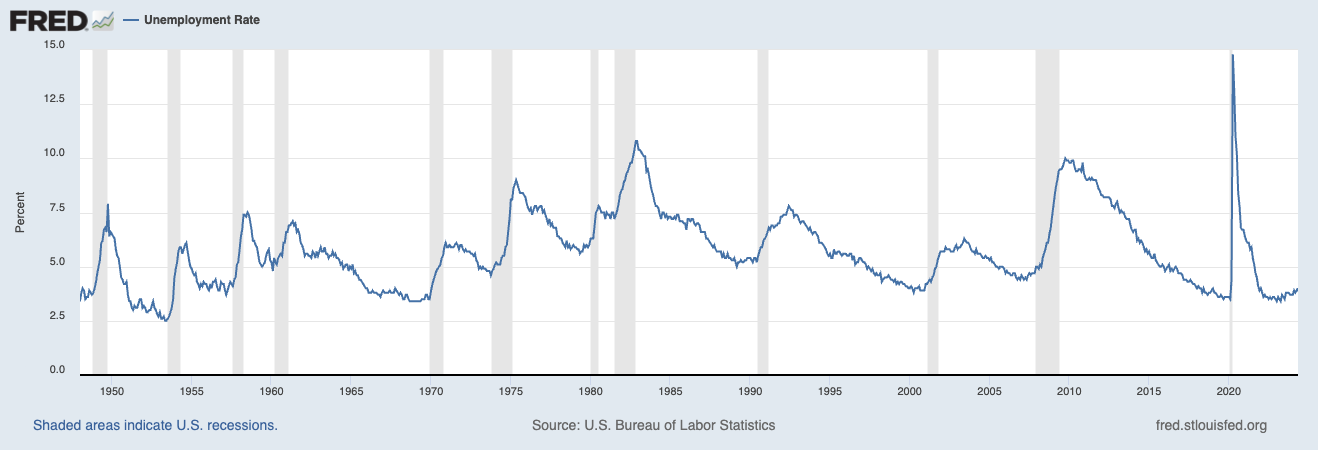
However, the Fed's actions have broader implications beyond their intended effects. While unemployment has remained relatively stable over recent decades, income inequality has risen sharply. This disparity is partly due to the uneven effects of inflation and monetary policy on different economic strata.
The wealthy, with their ability to invest in inflation-resistant assets like businesses and equities, have seen their wealth grow disproportionately. Meanwhile, those relying primarily on wages have struggled to keep pace with inflation.
This phenomenon, known as the Cantillon Effect20, highlights a critical issue in our current monetary system. Those closest to the source of money creation - banks, large corporations, and wealthy individuals - benefit from a brief arbitrage window before increased money supply is reflected in prices.
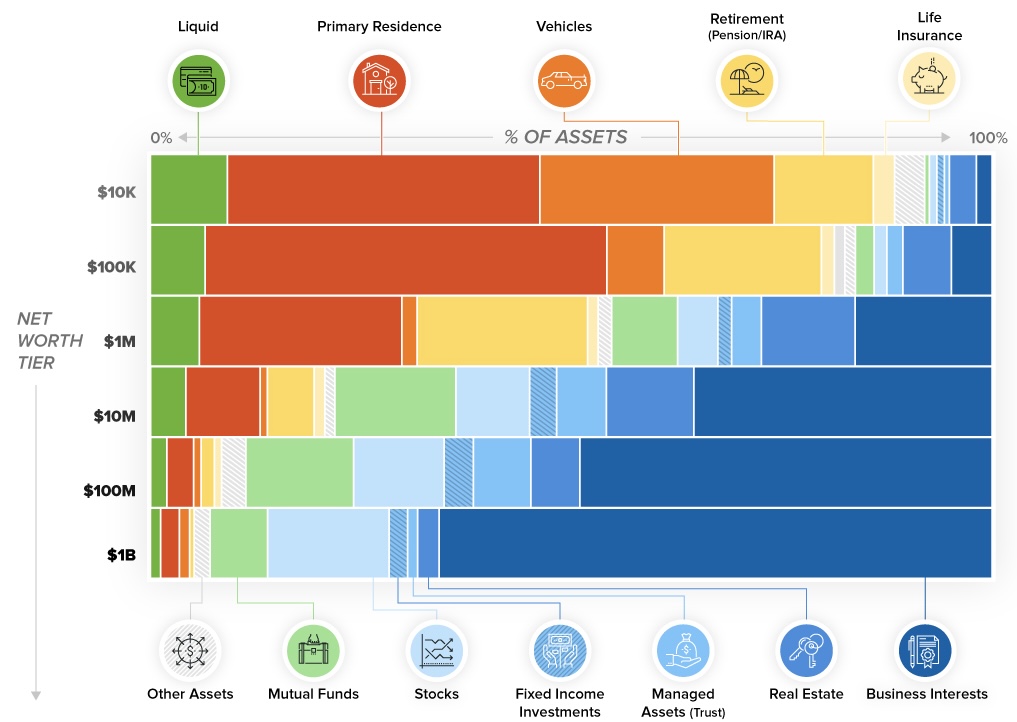
The result is a growing wealth gap that began accelerating after the shift to fiat currency in 1971. This trend raises important questions about the long-term sustainability and fairness of our current monetary policy approach.
In essence, while the Federal Reserve's tools are effective for managing short-term economic fluctuations, they may be contributing to long-term structural inequalities. This paradox represents one of the most significant challenges in modern economic policy.


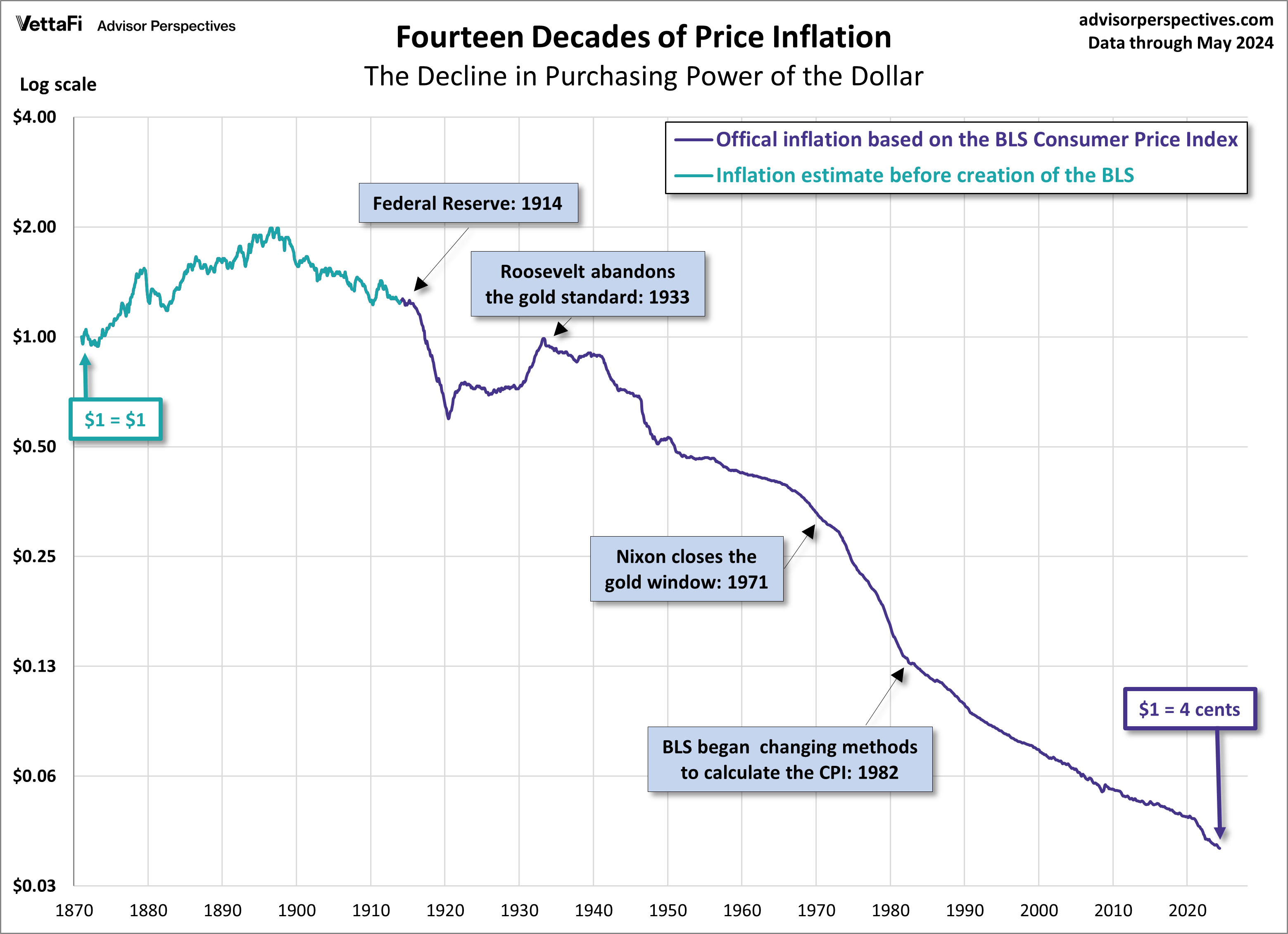
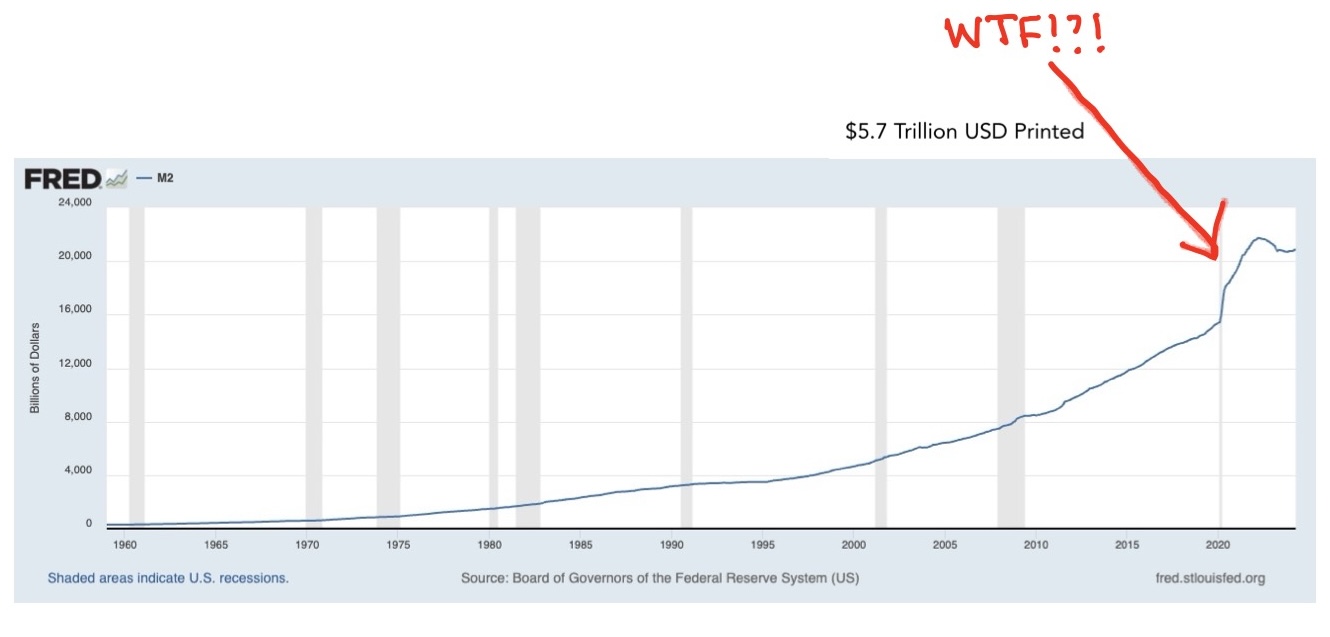
The downstream effects of this are yet to be fully realized, but expect prices to continue to rise and confidence in the US Dollar to wane. This is already evident in many global superpowers like China, Russia24 and the UAE to start divesting its interest in holding US Dollar instruments or using it as a medium of exchange25.
Once the trust is lost, it is very difficult to regain. And in a world of fiat money, where the fundamental value of currencies are subject to a floating exchange rate, loss of trust can be a slippery slope.
The Petrodollar Paradox
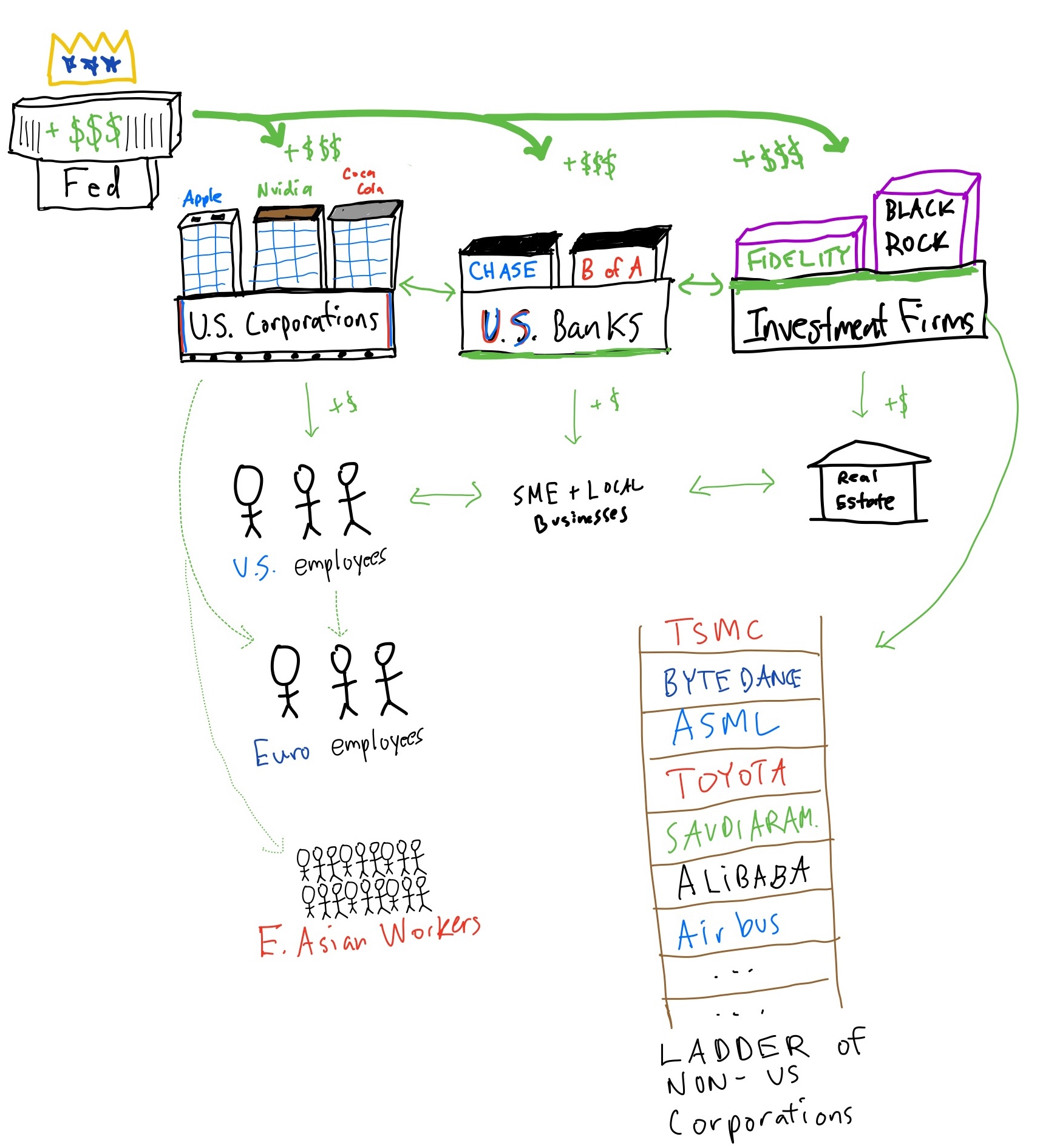
The shift to fiat currency created a vacuum in intrinsic value that the US filled ingeniously with the petrodollar system. By agreeing with Saudi Arabia to price oil in dollars, the US effectively created global demand for its currency. This move transformed oil demand into dollar demand, securing the dollar's position as the world's reserve currency.
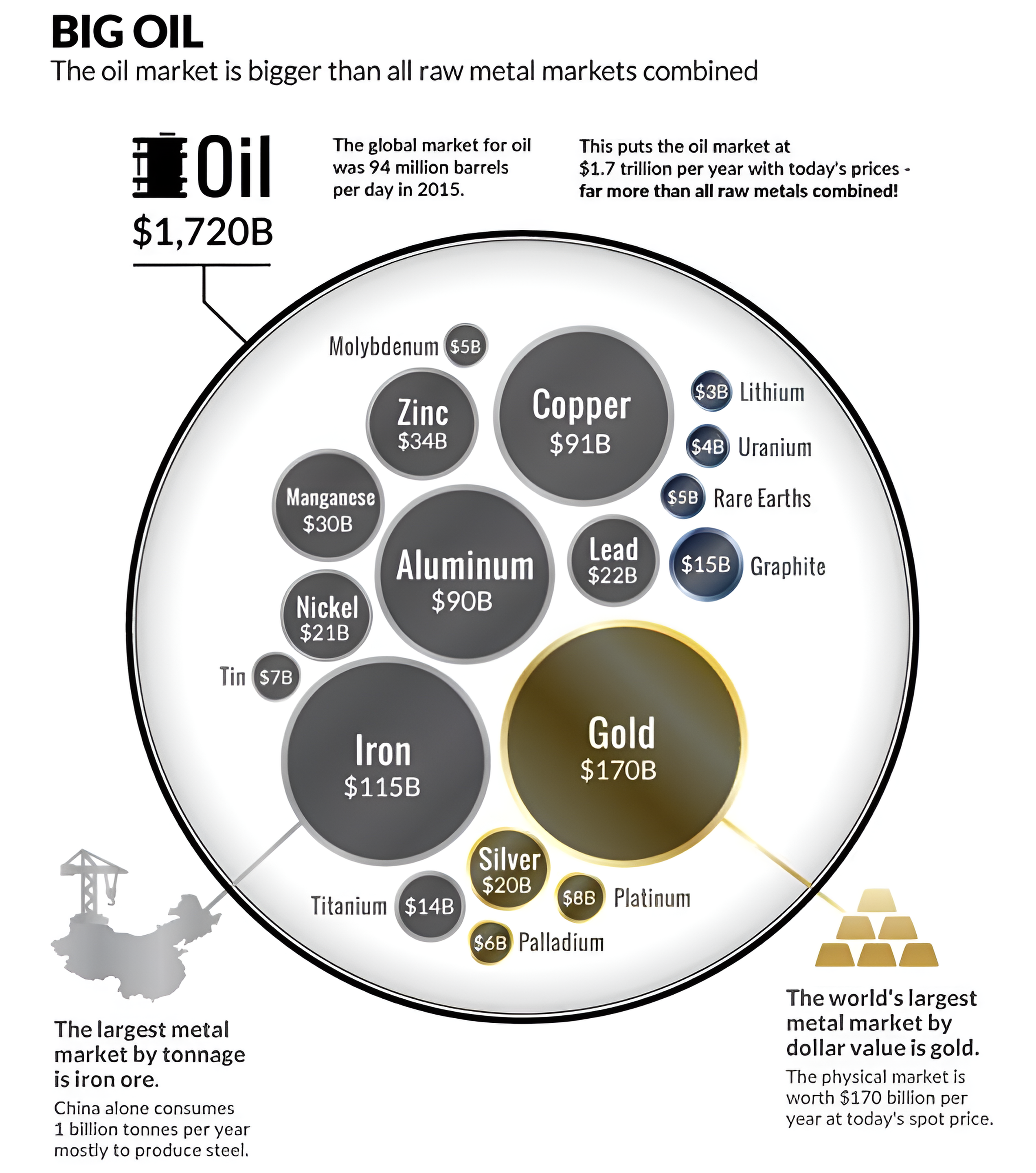
Since oil began trading exclusively in dollars, the U.S. has enjoyed exorbitant privilege. But this privilege has had unexpected consequences.
Consider manufacturing. We often attribute the shift of production to Asia to "globalization." But that's only part of the story. The strong dollar, a direct result of the Petrodollar system, has made U.S. labor expensive relative to other countries.
This isn't just about t-shirts and toys. Even high-tech industries like semiconductor manufacturing have largely moved offshore. We've outsourced not just production, but expertise.
It's easy to see this as a natural evolution of global trade. But imagine a world where the Chinese Renminbi was stronger than the dollar. We might see Chinese companies outsourcing to cheaper American labor. The current arrangement isn't inevitable; it's a direct result of our monetary system.
This is the Cantillon effect writ large. The benefits of new money creation aren't distributed evenly. They concentrate around the source - in this case, the U.S. financial system. But the long-term effects ripple out in ways we're only beginning to understand.
The irony is that this "strength" may be weakening us. By hollowing out our manufacturing base and concentrating on financial services, we've become more vulnerable. We're rich on paper, but increasingly dependent on other nations for essential goods and skills.
"The dominance of the US dollar can be measured by the percentage of central bank reserves in dollars, which is 62%, and the by the percentage of transactions in Forex markets, which is 85%. That means that of all Forex transactions, 85% of the trades involve US dollars combined with another currency." ~Seeking Alpha27
The latest data from the IMF shows the global foreign exchange currency reserve. Generally, the US Dollar is performing strongly but more and more currencies are being stored in foreign central banks, signaling a desire to diversify exposure against just the US Dollar.
Despite the increasing diversification of global reserves, the US Dollar is expected to remain the most liquid and sought-after global reserve currency. It will continue to be used for pricing crude oil in the near term, as most other currencies have more localized demand. For example, Russia may price crude oil in Rupees for India, but then faces the challenge of reinvesting those Rupees outside of India29.
The US dollar's dominance isn't eternal. While it remains the most liquid global currency, cracks are appearing. Countries are diversifying their reserves, and the petrodollar system faces an existential threat from renewable energy. If nuclear fusion30 becomes internationally viable, it could topple the oil market and, by extension, the dollar's supremacy.
But there's a deeper issue at play: the monopoly on money itself.
A Monopoly on Money
Money is perhaps the most important product in the world. It's the foundation of every economy, the lifeblood of commerce. Yet it's also the only product with a government-enforced monopoly.
Imagine if the government decided who made your shoes, or your smartphone. We'd consider that absurd. But when it comes to money, we accept it without question.
The Federal Reserve, our money manufacturer, operates in a closed loop. Its governors serve 14-year terms, insulated from public opinion. Regional bank presidents serve 5-year terms. This system, designed for stability, also resists change and innovation.
In any other industry, a subpar product faces competition. If your shoes are uncomfortable, you buy a different brand. If your phone is slow, you switch to a competitor. This competition drives innovation and improvement. But with money, we're stuck with what we're given.
The usual argument for this monopoly is that money is too important to leave to the market. But isn't that backwards? Shouldn't the most important things be the ones we most need to get right?
Historically, governments monopolized money because they alone could enforce its use and protect its value. But technology is changing this equation. The internet has created a global, digital economy. Fintech companies like Stripe and neobanks like Revolut are reimagining financial services. Cryptocurrencies are challenging the very concept of state-issued money.
Yet despite these advances, our financial system still struggles with forex issues, remittance fees, and time lags. It's as if we're running a 21st-century economy on 20th-century infrastructure.
The Separation of Money and State
We take it for granted that money is issued by governments. But this arrangement isn't inevitable. It's a product of history, not necessity.
Consider the separation of church and state. Once, the idea seemed impossible. Today, it's the norm in most developed countries. We may be approaching a similar inflection point with money.
The reasons for separating money and state parallel those for separating church and state:
- Freedom of choice
- Reduction of conflict
- Focus on core responsibilities
With money, this could mean freedom to choose your currency, fewer currency wars, and governments focused on governance rather than monetary policy.
This shift would require a truly digital economy supporting multiple currencies. Paradoxically, this diversity might lead to a new global standard - not imposed by fiat, but chosen by consensus.
In the short term, the U.S. dollar will likely remain dominant. But as money and state separate, we'll see experimentation with new monetary policies. Private actors may build on the dollar's digital infrastructure, much as the dollar was once built on gold.
The Digital Money Revolution
Blockchain technology isn't just another fintech innovation. It's a fundamental reimagining of what money can be.
For the first time in history, we have a form of money that solves two critical problems without central control:
- Provable scarcity
- Prevention of double-spending
These might sound like technical details, but they're the core issues that have always required trusted third parties in our financial systems.
Traditional databases, even with ACID compliance, can't solve these problems without centralized control. Blockchain does. It creates a global, immutable ledger through consensus algorithms like proof-of-work or proof-of-stake.
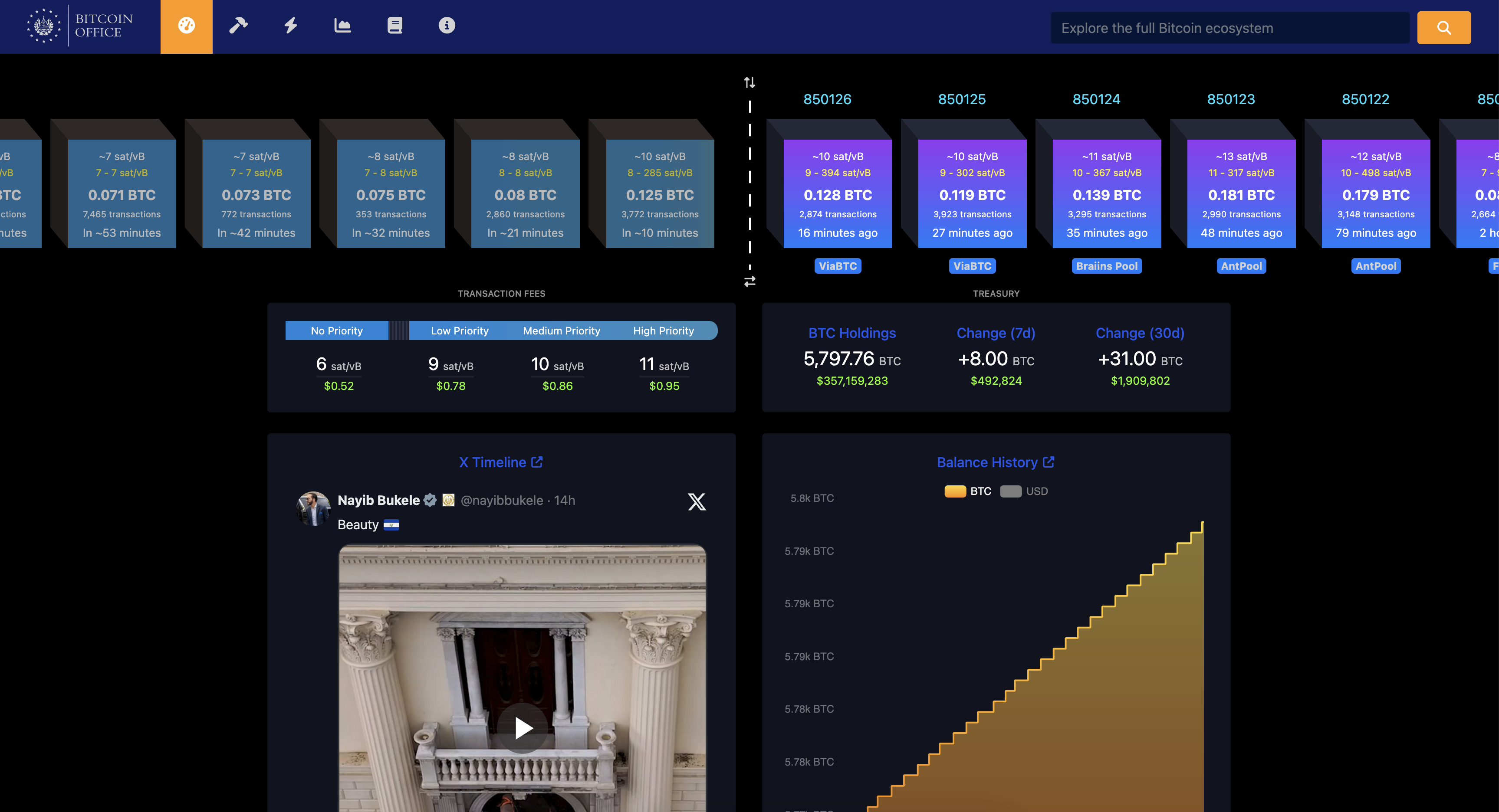
This isn't just theory. It's happening now. People are downloading wallet software, buying cryptocurrencies, even adding them to national treasuries31. We're watching the birth of a global, digital-native monetary system.
Adoption will likely follow a familiar pattern: it starts with enthusiasts, then speculators, then mainstream users as the infrastructure improves. We saw this with the internet, and we're seeing it now with crypto.
The implications are profound. Cryptocurrencies could become full substitutes for bank accounts and cash. They remove the need for trusted intermediaries in transactions. This eliminates chargeback fraud for merchants but also means users must be extra cautious with security.
New solutions are emerging, like multi-signature wallets that require multiple approvals for transactions. These developments are making crypto more user-friendly and secure.
For merchants, the appeal is clear: no more interchange fees that eat 1.5% - 2.5% of every card transaction. In a world of thin margins, this is significant.
The crypto ecosystem is diverse:
- Bitcoin: "Digital gold" with fixed supply and immutable monetary policy.
- Stablecoins (e.g., USDC): Pegged to fiat, bridging traditional and crypto finance.
- Ethereum: Powers smart contracts and dApps, with a flexible monetary policy.
- CBDCs: Central banks' digital currencies, not true crypto but a response to it.
- Governance Tokens: Enable community decision-making in crypto projects.
This diversity isn't just about new money forms. It's the first technological foundation for separating money and state. Like the separation of church and state enabled religious innovation, this could spark monetary innovation.
Blockchain provides a public infrastructure for creating and experimenting with money, free from centralized control. It's not about which coin will dominate next month, but which monetary systems best serve human needs over time.
The beauty is in the optionality. We don't need to decide now. The market can experiment and evolve. This might take years or centuries, but as long as this infrastructure exists, we can create better money.
This doesn't mean all cryptocurrencies are equal or problem-free. Scams, manipulation, and volatility are real issues. Regulation will play a role.
But the core innovation - a global, permissionless value transfer system - is here to stay. It's the foundation for a more open, efficient, and inclusive financial system.
Post AGI Labor Economics
Elon Musk has famously said:
"The thing we call money is just an information system for labor allocation" ~Elon Musk32
It's a provocative idea, but what happens when labor itself becomes obsolete?
As we edge closer to artificial general intelligence (AGI), we're forced to confront this question. If AI can perform most economically valuable tasks, what becomes of our economic systems?
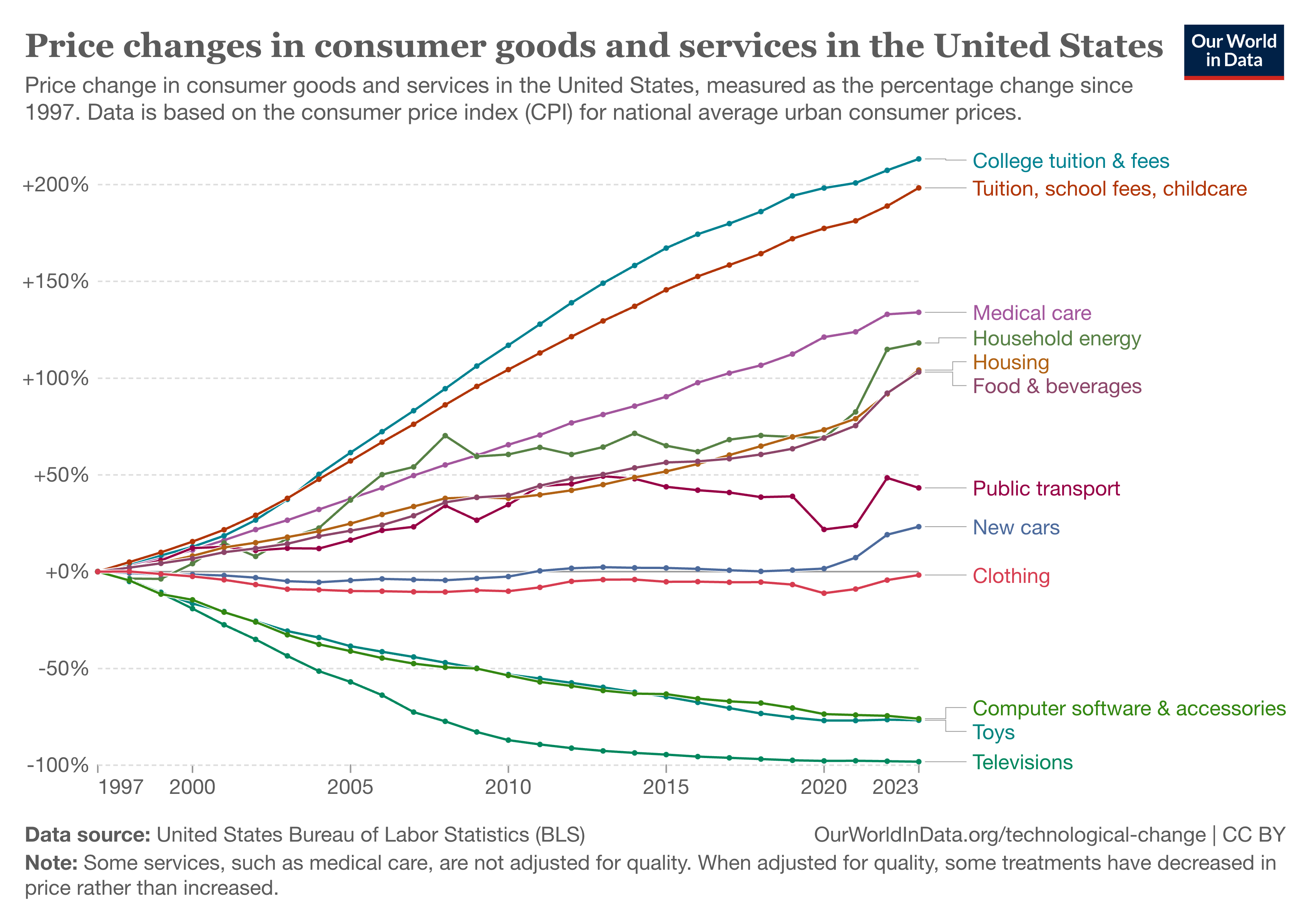
Look at price trends over the past few decades. Goods with decreasing human involvement - computers, TVs - have become cheaper. Services still reliant on human labor - education, healthcare, housing - have grown more expensive. It's tempting to extrapolate this trend and imagine a world where AI has made everything dirt cheap.
But let's pump the brakes. We've been predicting the imminent arrival of AGI for decades. It's always just around the corner, yet somehow never quite here. Self-driving cars, for instance, have been "almost ready" for years. The challenges of generalizing AI beyond narrow tasks are significant and often underestimated.
Even if we achieve AGI, the transition won't be instant or smooth. Some fields will resist automation longer than others. And new, unforeseen types of labor may emerge.
That said, let's indulge in some speculation. Imagine a far future where AI and robotics have indeed automated most current forms of labor. Energy is cheap and abundant. Manufacturing is handled by self-replicating machines. What role does money play in such a world?
One possibility is that it becomes largely obsolete. In a world of true abundance, where anything can be produced at negligible cost, traditional economic constructs might break down. We might indeed return to something like a barter system, not out of necessity but as a way to exchange goods and services that have personal or social value rather than economic value.
But here's the rub: scarcity might not disappear; it might just shift. Even in a world of material abundance, there could be scarcity of attention, of unique experiences, of social status. Money, or something like it, might evolve to mediate these new forms of scarcity.
Moreover, the transition to this hypothetical post-scarcity world would likely be long and uneven. Money would continue to play a crucial role during this period, even as its nature and function evolve.
The truth is, we don't know what a post-AGI economy looks like. Our current economic models simply aren't built to handle a world without scarcity. It's like asking a fish to imagine life on land34.
What we can say is this: money, like all human tools, evolves to meet the needs of the society that uses it. As our world changes, so too will our systems of value exchange. The form this takes may be as foreign to us as cryptocurrency would be to a medieval merchant.
The only certainty is change itself. Our task is not to predict the future, but to build systems flexible enough to adapt to whatever comes. In the realm of money and economics, that means fostering innovation while maintaining stability - a balancing act that will only become more crucial as we venture into uncharted technological territory.
Acknowledgements
Thank you to Kent Makishima, Kyle Armour, Miles Albert, Sam Trautwein, York Yu for reading drafts and feedback.
Footnotes
- https://www.in2013dollars.com/us/inflation/2024?endYear=1913&amount=1
- https://theconversation.com/what-caused-hyperinflation-in-venezuela-a-rare-blend-of-public-ineptitude-and-private-enterprise-102483
- https://nmaahc.si.edu/cowrie-shells-and-trade-power
- https://www.sciencedirect.com/science/article/abs/pii/S0278416521000106
- https://www.atlantafed.org/about/tours/story-of-money/03-value-in-use-exchange/grains-as-money
- https://www.thevintagenews.com/2017/05/18/the-first-chinese-paper-money-jiaozi-was-stamped-with-six-different-inks-and-multiple-banknote-seals/
- https://www.cambriainstitute.com/journals/advb19v1n1y2010f55.pdf
- http://chinaknowledge.de/History/Terms/jiaozi.html
- https://www.imf.org/external/np/exr/center/mm/eng/sc_sub_3.htm
- Jared Schneidman Illustrations
- https://wtfhappenedin1971.com/wp-content/uploads/2020/07/cummulative-inflation.jpg
- https://www.advisorperspectives.com/dshort/updates/2024/06/12/inflation-cpi-since-1872
- https://wtfhappenedin1971.com/wp-content/uploads/2020/06/img_0681_arrow-1.jpg
- https://wtfhappenedin1971.com/wp-content/uploads/2020/06/eifme9yu0ae8xnz.jpg
- https://wtfhappenedin1971.com/wp-content/uploads/2020/01/do5g42luuae65cp_1.jpg
- https://www.frbsf.org/research-and-insights/publications/economic-letter/2009/03/risk-deflation/
- https://www.chicagofed.org/publications/speeches/2016/10-11-2016-conducting-monetary-policy-in-an-evolving-environment-sydney
- Theory and Applications of Economics, https://2012books.lardbucket.org/pdfs/theory-and-applications-of-economics.pdf
- https://2012books.lardbucket.org/pdfs/theory-and-applications-of-economics.pdf
- https://www.adamsmith.org/blog/the-cantillion-effect
- https://www.federalreserve.gov/econres/scfindex.htm
- https://www.visualcapitalist.com/chart-assets-make-wealth/
- https://www.in2013dollars.com/us/inflation/1971?amount=1
- https://www.investopedia.com/terms/b/brics.asp
- https://www.fxstreet.com/analysis/the-petrodollar-is-dead-and-thats-a-big-deal-202406141938
- https://visualcapitalist.com
- https://seekingalpha.com/article/4223468-decline-and-fall-of-petrodollar
- https://gavinmai.com/currency-dominance?ref=evolution-of-money-blog
- https://www.politico.eu/article/india-has-russia-kremlin-over-crude-oil-barrel/
- https://www.helionenergy.com/
- https://bitcoin.gob.sv/
- https://x.com/elonmusk/status/1349977642708168704
- https://ourworldindata.org/grapher/price-changes-consumer-goods-services-united-states
- This topic deserves a longer discussion, one that is beyond the scope of this essay